Augmentin Alternatives: When to Consider Other Treatment Options
The medical community is focused on using Augmentin judiciously as part of antibiotic stewardship programs, aimed at preserving its efficacy and delaying resistance. It is a combination of amoxicillin and clavulanate potassium, which work together to prevent the growth of bacteria. Additionally, it is vital to inform the healthcare provider about any allergies or sensitivities to other antibiotics or medications. For conditions where other antibiotics might fail, Augmentin steps in, particularly adept at handling strains that have become resistant to standard antibiotics. This dual-action approach sets Augmentin apart from other antibiotics and allows it to effectively combat a diverse array of bacterial infections. Important Considerations While Taking Augmentin: When taking Augmentin, it is important to follow the prescribed dosage and duration of treatment to ensure its effectiveness. Avoid consuming spicy, greasy, or acidic foods as they can worsen gastrointestinal symptoms.
Augmentin and Antibiotic Resistance: Understanding the Risks
It's always crucial to inform the healthcare provider of the child’s complete medical history, including any mild to moderate allergies, as this information can guide safer antibiotic selection and dosage adjustments. This interaction can impede the antibiotic from reaching its full potential, which is critical, especially in severe infections. It's crucial to distinguish between true allergies and common side effects. Augmentin is a widely used antibiotic that plays a crucial role in combating childhood infections. Its mechanism includes inhibiting the bacteria's cell wall synthesis, vital for their survival and multiplication. This collaborative approach ensures that both your health and your baby's well-being are prioritized throughout the treatment process. It's essential to avoid the temptation of stopping treatment early or saving leftover medication for future use, as this can contribute to the growing problem of antibiotic resistance.
Embracing the Antibiotic Miracle
This combination is designed to enhance the effectiveness of amoxicillin by preventing bacteria from becoming resistant to it. Amoxicillin, a penicillin-type antibiotic, works by inhibiting the formation of bacterial cell walls, leading to the bacteria's death. This synergistic approach not only broadens the range of bacteria Augmentin can combat but also reduces the probability of resistance development compared to amoxicillin alone. Initially, the focus was to improve the efficacy of existing antibiotics. Additionally, it is essential to avoid certain food and drink interactions while using Augmentin. It's vital to consider that, while not always immediately noticable, the compounding effects of alcohol can significantly impair your body's ability to fight infections, putting an unnecessary strain on your system 🤒. Other antibiotics, such as the fluoroquinolones, target enzymes responsible for DNA replication or synthesis.
Addressing Potential Interactions
Augmentin, a combination of amoxicillin and clavulanic acid, stands out in treating bacterial infections due to its ability to overcome bacterial resistance mechanisms. Time-release capsules, targeted delivery mechanisms, and combination therapies that include other antimicrobial agents are some of the key areas where Augmentin's evolution is apparent. For infants and young children, Augmentin is commonly prescribed in a liquid form, which allows for easier administration based on the recommended dosage. The dosage of augmentin is typically based on the child's weight or age to avoid potential overdosing. This innovation not only improved individual health outcomes but also alleviated the burden on healthcare systems globally. For individuals known to have an allergy to Augmentin, informing healthcare providers of this condition is paramount before beginning any new medication regimen. When taking Augmentin, it's essential to find the right dosage for your body to ensure the medication is effective and safe.
Resistant Infections Treated
Encouraging the use of alternative treatment options when appropriate, such as narrow-spectrum antibiotics or non-antibiotic therapies, can also play a significant role in reducing selective pressure that contributes to augmentin resistance. This makes it an important medication to use in hospitals as it can treat a range of bacterial infections. Skipping doses or stopping the medication prematurely can contribute to antibiotic resistance and increase the risk of the infection returning or becoming harder to treat. By being proactive and disclosing all relevant information to your healthcare provider, you can address and manage potential interactions effectively to ensure the safe and optimal use of Augmentin. Interactions with other medications and food can impact the effectiveness of **augmentin**. In stat cases, where immediate intervention is required, seeking guidance from a white coat at your local pharmacy is advisable to discuss alternative meds and initiate treatment swiftly. This stage involves extensive clinical trials, which are designed to meticulously evaluate the drug's therapeutic effects as well as identify any potential side effects.
Mechanism of Action: Battling Bacterial Resistance
Clavulanic acid, on the other hand, is designed to block an enzyme that some bacteria produce, which can inactivate antibiotics like amoxicillin. While these side effects are rare, it's important to understand what to look out for when taking Augmentin. Mixing Augmentin with other medications can also pose risks, so make sure to discuss any other medications or supplements you're taking with your doctor before starting treatment. Amoxicillin, a commonly used antibiotic, works by attacking the cell walls of bacteria, preventing their growth and reproduction. Augmentin is a broad-spectrum antibiotic that belongs to the penicillin family and consists of amoxicillin and clavulanate potassium. Another advantage is that the combination can be administered orally rather than intravenously. The effective dosage and duration of treatment with Augmentin depend on the severity and location of the infection being treated and should be determined by a medical professional.
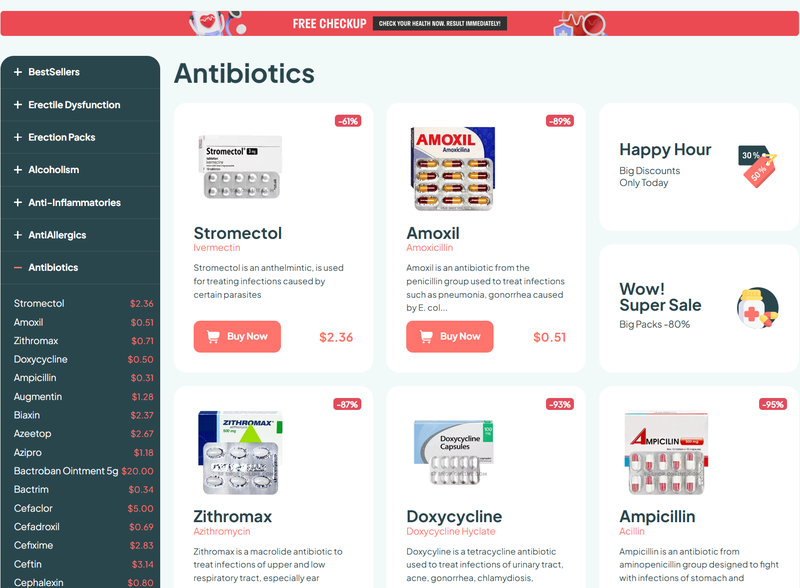
Cost Comparison: Affordability Matters
Augmentin belongs to the beta-lactam family of antibiotics, which works by inhibiting the bacteria's ability to produce cell walls, leading to their death. Looking ahead, research into antibiotic resistance will likely focus on developing new medicines and enhancing the efficacy of existing ones. As Augmentin received regulatory approval and became widely available, it swiftly cemented its status as a mainstay of antimicrobial therapy, with its use becoming essential in both outpatient and inpatient settings across the globe. The problem is compounded by the overprescription and misuse of antibiotics, hastening the proliferation of resistant strains. While Augmentin is a popular and effective antibiotic, there are many alternatives available for those who cannot use it or who have not responded well to it in the past. It's important to follow the specific instructions provided by the healthcare provider or pharmacist to determine the exact dosage needed for your child's condition and age. These may range from mild to severe, including digestive disturbances such as diarrhea, nausea, and vomiting, which are the most common.
Recognizing Red Flags: Side Effects and Overuse Warnings
Augmentin's journey from pharmacy shelves to a household name across the globe can be traced back to its remarkable efficacy against a range of infectious bacteria. Augmentin, a potent combination of amoxicillin and clavulanate, operates at the forefront of antibacterial therapy by harnessing dual mechanisms to eradicate pathogens with remarkable precision. The dual mechanism of action not only enhances the antibiotic's potency but also helps in reducing the spread of antibiotic resistance, making Augmentin a formidable weapon in the clinician's arsenal against a variety of bacterial pathogens. Precautions should be taken for patients with a history of liver disease or those taking other medications that affect the liver. The combination of these components enhances the antibacterial activity of the drug by targeting and killing a wider range of bacterial species. By adopting these practices, patients can ease the side effect burden, paving the way for a smoother recovery path while under Augmentin treatment. By seeking personalized advice from a healthcare provider, you can enhance the overall care and well-being of your child.
Side Effects: Navigating Augmentin's Rocky Terrain
Augmentin, known generically as amoxicillin and clavulanate potassium, is a potent antibiotic used extensively in the field of dentistry. The dosage will depend on your weight, age, and the severity of your infection. This medication is available in different forms, including tablets, chewable tablets, and oral suspensions. Lastly, if you have a history of liver disease, you should be cautious while taking Augmentin. The combination of these two components produces a more potent antibiotic than either amoxicillin or clavulanate potassium alone. Augmentin is a formidable player in the league of antibiotics, renowned for its efficacy and broad-spectrum antibacterial coverage. Augmentin is a commonly prescribed antibiotic for children, known for its effectiveness in fighting bacterial infections.
Decoding Dosages: How Much Augmentin Is Right?
Despite this, the adaptability of bacteria presents ongoing challenges. Augmentin, a combination of amoxicillin and clavulanic acid, plays a key role in combating antibiotic resistance. Although this specificity can be advantageous, it does come with the limitation of not being suitable for immediate treatment in emergencies where the bacterial infection has not yet been identified through culture and sensitivity testing. Tablets should be kept in their original packaging, and any reconstituted liquid form of the medication needs to be refrigerated and used within a specific time frame, usually 10 days, to preserve its potency. It's essential to understand that Augmentin can be effective against a particular bacterial strain but may not be an effective treatment for another type of infection. With these success stories and many more like them, it is clear that Augmentin can be a powerful tool in the battle against sinus infections. In rare cases, Augmentin may also cause more serious side effects such as liver damage or a condition called pseudomembranous colitis, which is characterized by severe diarrhea.